Geometry Vibes X Ball
 poki.org.es
Sign in to keep recently played games, favorites and your player profile available on this site.
Popular Games
Last Played
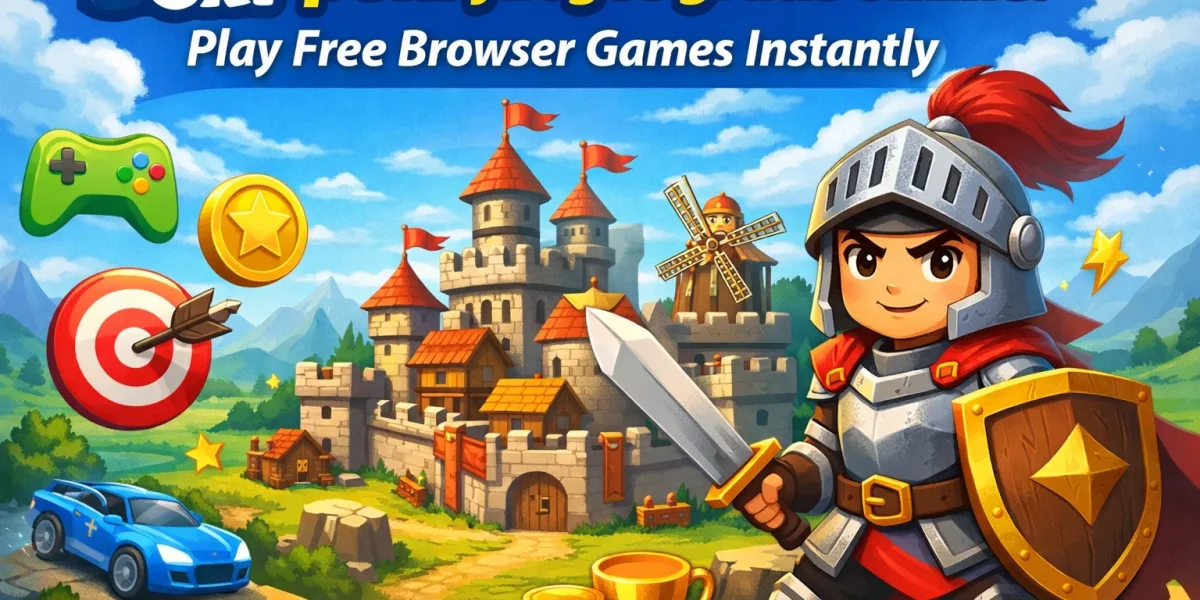
For a lot of players, poki juegos gratis online hits a very specific sweet spot. You are not sitting down for a three hour session with a headset, a patch update, and twenty menus to click through. You just want a game that loads quickly, feels responsive, and gives you a reason to stay for another round. That is a different kind of value, and honestly, it is easy to underrate until you have five spare minutes and want something better than mindless scrolling.
What makes browser gaming so appealing is the lack of friction. You open a tab, test a game, and decide almost instantly whether it is worth your time. There is no big commitment hanging over your head. That matters more than people admit. Plenty of players are not looking for a massive digital hobby every evening. Sometimes they want a quick puzzle before work. Sometimes they want a strategy match during lunch. Sometimes they just want to see if a random kingdom builder can unexpectedly eat half an hour.
That ease is part of the charm of the modern browser game format. It feels direct. Click. Load. Play. If the game is good, you keep going. If not, you move on with zero guilt.
This is where the topic gets more interesting than it first appears. Free online games are not only about saving money. They are often about saving energy. A clean, low effort way into play can be the whole reason a title gets tried in the first place. A big console release can be impressive, sure, but a lightweight browser session can be weirdly satisfying because it asks so little from you at the start. That small psychological difference is a big reason this category keeps pulling people back.
One reason poki juegos gratis online keeps showing up in searches is simple. People want entertainment that fits real life. Real life is messy. You might be on a laptop with too many tabs open. You might be on a phone with average signal and ten minutes to spare. You might be waiting for a friend who is already late. In those moments, convenience stops being a nice extra and becomes the main feature.
Instant play changes how people sample games. It encourages curiosity. You are more willing to try a farming sim, a tower defense challenge, or a goofy arena game when the cost of entry is basically one click. That creates a more playful mood from the beginning. You are not trying to justify a purchase or force yourself to enjoy a game because you already invested time downloading it. You are exploring.
There is also something refreshing about games that understand short sessions. A good browser title often gets to the point quickly. It presents a core loop fast and lets you start making decisions right away. In a strategy game, that might mean placing your first resource building within seconds. In a defense game, it might mean surviving the first enemy push before you even fully understand the map. Those early choices are where momentum starts.
This is also why free browser games can feel surprisingly social, even when you are playing alone. People swap links, compare scores, and recommend odd little finds to friends. One person says a game looked basic but got unexpectedly tense after level six. Another says the art style is simple, yet the upgrade path has real bite. That kind of word of mouth feels casual, which makes it powerful.
A strong example inside poki juegos gratis online is Empire.io Build and Defend your Kingdoms. The title itself already tells you what the fantasy is. Build something that matters, protect it, and keep expanding while pressure grows. That is an old formula, but it survives because it still works. People love seeing a small base turn into a sturdier, more capable kingdom.
The appeal of games like this comes from layered decision making. At first, everything feels manageable. You gather, place, upgrade, and react. Then a small mistake starts to matter. Maybe you expanded too early and left a weak angle exposed. Maybe you spent on growth when you should have reinforced defense. Maybe you survived the first wave comfortably, only to realize the second wave punishes greedy planning. Those tiny moments are what give strategy games their grip.
There is also a very satisfying rhythm to the build and defend style. Calm, then pressure. Growth, then panic. Recovery, then another threat. Good games in this lane create a loop where your brain is always doing two jobs at once. You are enjoying the progress of building while quietly worrying about what is coming next. That tension is fun because it feels earned.
Empire themed games tend to do well because they deliver obvious visual progress. A plain patch of land becomes a functional base. Walls, towers, workers, and resources start to form a miniature story. You can almost read your own decisions from the layout. The messy early stage says one thing. The disciplined midgame says another. Even without heavy narrative, the map starts to feel personal.
And when a browser game manages that without dragging its feet, it tends to stay memorable. You finish a round and think, I know exactly what I would do differently next time. That is usually the sign you found something worth replaying.
A lot of people enjoy strategy in theory but bounce off it in practice. The genre can be intimidating. Too many menus, too many systems, too much information thrown at you before you make your first move. Browser strategy games often work better for casual players because they trim the fat. They give you a smaller, clearer sandbox and ask you to solve immediate problems.
That does not mean they are shallow. In fact, simplicity at the surface can make mistakes feel more visible. If a game gives you only a few tools, every bad choice stands out. Build order matters. Placement matters. Timing matters. You can lose because of one lazy decision, and oddly enough that makes victory feel cleaner too.
This is where short sessions become an advantage rather than a limitation. A compact strategy match can teach faster. You see the consequence of your plan sooner. You do not have to invest an hour before learning that your economy was unstable. You get feedback quickly, which makes experimentation less painful. Try an aggressive approach. Then try a defensive one. Then try a balanced start with delayed expansion. The game becomes a conversation between your instincts and the system.
It is also nice when a strategy title gives you room to improvise. The best ones do not force a single perfect route. They let you recover from awkward moments. Maybe you overcommit and then stabilize. Maybe your layout is ugly but functional. Maybe you win with a plan that looked terrible two minutes earlier. Those scrappy victories are often more enjoyable than smooth ones.
At its best, poki juegos gratis online is not just about one genre doing all the work. The real appeal comes from variety. One day you want territory control. The next day you want a chaotic arena. Another day you want something slower, almost cozy, where the main pleasure is optimizing a little system until it clicks.
That range matters because player moods change. Some evenings call for pressure and quick reactions. Others call for a game that lets you settle in, think a little, and watch a small world take shape. Free online platforms thrive when they respect that mood swing. Instead of locking you into one tone, they let you drift between them.
A strategy game benefits from this broader ecosystem too. It feels more attractive when it lives next to totally different experiences. You might arrive looking for action and end up spending time on kingdom defense. Or you might enter with the goal of playing something thoughtful, then switch to a lighter game after one intense loss. That kind of low stakes wandering is part of the fun.
It also lowers the pressure on each individual title. Not every game needs to become your new obsession. Some are there to entertain you for one afternoon. Some become reliable favorites you revisit for months. Both outcomes are valid. Browser gaming is healthier when it embraces that. A game does not fail just because it gave you thirty solid minutes and then let go.
People often talk about gaming as if everyone is chasing the same kind of experience. That is clearly not true. A student with a cheap laptop, a worker sneaking in ten minutes between tasks, and someone relaxing on a tablet after dinner all approach games differently. Browser based titles fit those habits well because they are flexible by nature.
That flexibility shows up in small ways. You can sample a title without reorganizing your evening. You can send it to a friend without making the recommendation feel like homework. You can stop and restart with less ceremony. In a busy week, that matters. Entertainment that respects interrupted schedules tends to survive.
There is also a device advantage. Many players bounce between desktop and mobile without thinking much about it. A title that feels approachable on both has a better shot at becoming part of someone’s routine. Even when performance is not spectacular, convenience can carry a game surprisingly far. If a player can jump in easily, they often will.
And then there is the emotional side. Low commitment games can feel more welcoming. They reduce the weird pressure to perform. You are allowed to be curious. Allowed to fail. Allowed to leave. That creates a better mood, and a better mood often leads to longer play anyway. Funny how that works.
If you are trying a build and defend game for the first time, a few small habits can improve the experience right away. First, do not rush expansion just because the map looks empty. Empty space is tempting, but unprotected growth can turn into a liability fast. A modest, defendable setup usually teaches the game better than an ambitious mess.
Second, watch what creates pressure. Every strategy title has a hidden heartbeat. Sometimes it is enemy waves. Sometimes it is resource flow. Sometimes it is the point where your layout starts getting inefficient. Find that pressure source early and the whole game becomes easier to read.
Third, replay with intent. The second session is often where the real fun begins because you stop reacting blindly and start testing ideas. Move one structure earlier. Delay one upgrade. Defend one choke point better. Tiny changes are enough. You do not need a grand master plan to feel smarter than your first run.
It also helps to accept imperfect rounds. Browser games are great at giving quick lessons, and some of those lessons arrive through failure. A rough defeat can still be useful if it reveals why your economy collapsed or why one side of your base kept folding. Improvement feels fast in games like this because the loop from mistake to retry is short.
The funny thing about free online games is that their biggest strength can seem almost too basic to mention. They are easy to revisit. That sounds obvious, but it is huge. A title that asks little from you on entry has more chances to become part of your routine.
That is especially true for strategy and defense games. They give enough texture to feel rewarding, but they can still fit into a short break. You get the pleasure of planning, adapting, and seeing visible progress without needing a whole evening. For many players, that balance is ideal.
A game also becomes sticky when it leaves you with a clear mental note. Next time I will protect that flank sooner. Next time I will not overbuild so early. Next time I will save resources before the big wave. Those thoughts are tiny hooks. They pull you back because they make the next session feel purposeful.
In that sense, replay value is not always about content volume. Sometimes it is about clarity. If the game shows you what went wrong and makes a better attempt feel possible, you are already halfway to another round.
What makes poki juegos gratis online attractive for casual players?
For many people, poki juegos gratis online works because it removes a lot of the friction that usually slows gaming down. You can try a title quickly, understand the core idea fast, and decide whether it fits your mood without turning the whole thing into a project.
Is Empire.io a good choice if I like strategy games but not overly complex systems?
It can be. Build and defend style games often feel approachable because the objective is easy to grasp right away. You grow your base, protect it, and react under pressure. The challenge comes from decision quality, not from wrestling with endless menus.
Are free browser games only good for very short sessions?
Not necessarily. They are excellent for short sessions, but a clever strategy game can easily keep you around longer than expected. The difference is that the session length feels chosen rather than forced. That makes the time feel lighter.
Do these games still appeal to experienced players?
Yes, sometimes more than people assume. Experienced players often appreciate clean design, quick feedback, and systems that reveal depth through repetition. A small strategy game with sharp pacing can be more satisfying than a bloated one.
How should I choose what to play first?
Start with your mood, not with hype. If you want something active, go for fast competition. If you want control and planning, lean toward defense, management, or kingdom building. The best first choice is usually the one that matches your current energy.
There is a reason this category keeps surviving trend after trend. It fits modern attention spans without insulting them. It can be light, but it does not have to be empty. It can be quick, but still memorable. And when a game offers a satisfying little loop of building, defending, adapting, and retrying, that loop can stick in your head longer than you expect.
Good browser games do not need to pretend to be bigger than they are. They just need to understand why people clicked in the first place. Usually the answer is simple. A spare moment. A little curiosity. A wish to play something now, not after a setup process. When a game respects that, it already starts ahead.
If you are browsing for something that mixes easy access with a bit of tactical tension, a kingdom builder like Empire.io is a solid place to start. It offers a clear fantasy, enough pressure to stay interesting, and that pleasant feeling of learning through another attempt. Sometimes that is all a game needs.