Geometry Vibes X Ball
 poki.org.es
Sign in to keep recently played games, favorites and your player profile available on this site.
Popular Games
Last Played
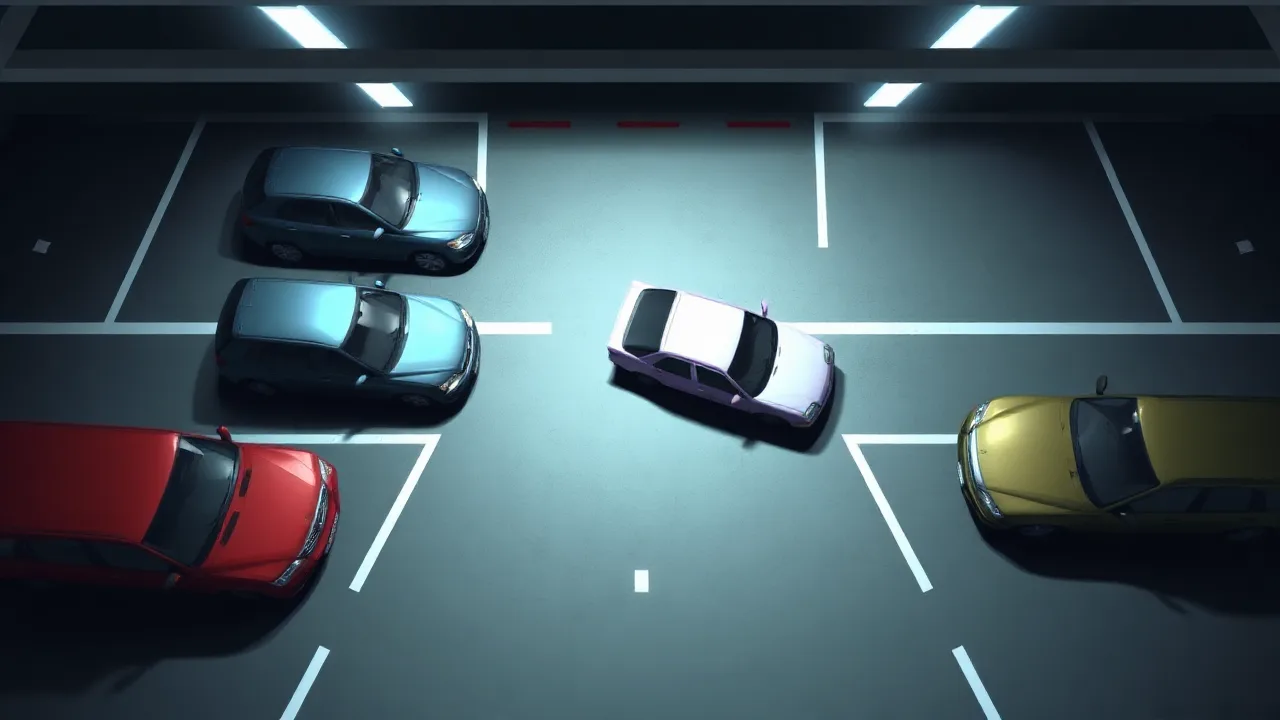
Discover the challenge and satisfaction of parking simulation games with this focused guide to the juego de estacionamiento category. This page explores what makes these games engaging, how to improve your skills, and why they continue to attract players looking for precision-based fun.
This keyword page works best when it helps players move from general interest to a more focused selection. For readers who want more games related to juego de estacionamiento, juego de estacionamiento gives a direct path to similar options without breaking the flow of the page.
Parking simulation games center on a simple yet demanding objective: maneuver vehicles into tight spaces without causing collisions. The core loop involves starting a car, navigating through obstacles, and aligning it perfectly within marked boundaries. Success depends on spatial awareness, timing, and patience. Each level typically increases in difficulty, introducing narrower spaces, more complex layouts, and additional hazards. The satisfaction comes from mastering control inputs and executing clean parking maneuvers that feel realistic and rewarding.
The appeal of precision driving lies in its accessible challenge. Unlike high-speed racing, parking games focus on control and accuracy, making them ideal for players who enjoy methodical problem-solving. The slow pace allows for thoughtful decision-making, while the clear goal provides immediate feedback. This genre also taps into real-world skills, translating everyday parking scenarios into interactive puzzles. Players often find the process meditative, as it requires full concentration and offers a sense of accomplishment with every successful placement.
Playing these games sharpens several cognitive and motor skills. Spatial reasoning improves as players judge distances and angles in a virtual environment. Hand-eye coordination is refined through precise steering and braking inputs. Patience and focus are cultivated by the need to avoid mistakes and restart levels. Additionally, strategic thinking develops as players plan routes around obstacles. These skills transfer to other driving games and even real-life parking situations, making the experience both entertaining and practical.
| Feature | Details |
|---|---|
| Gameplay Style | Simulation-based parking challenges with increasing difficulty |
| Controls | Keyboard or touch inputs for steering, acceleration, and braking |
| Session Pace | Relaxed and methodical, emphasizing accuracy over speed |
| Device Fit | Compatible with desktop and mobile platforms |
| Category Match | Aligns with driving simulation and skill-based genres |
Effective parking games use clean visuals to enhance playability. Clear lane markings, distinct vehicle models, and uncluttered environments help players focus on the task. Dynamic camera angles, such as top-down or third-person views, provide better perspective for tricky maneuvers. Sound design also plays a role; subtle engine hums, tire squeals, and collision alerts add immersion without distraction. These elements work together to create a cohesive experience that feels both realistic and game-like.
Most parking games structure their levels to gradually introduce complexity. Early stages feature wide spaces and minimal obstacles, allowing players to learn basic controls. As players advance, they encounter tighter spots, moving vehicles, and time limits. Some games add weather effects like rain or snow, which affect traction and visibility. This scaling keeps the gameplay fresh and ensures that mastery is earned through practice rather than luck. The gradual increase in challenge maintains engagement and rewards persistent players.
New players often rush their movements, leading to collisions and failed attempts. Taking a moment to observe the entire parking area before moving can prevent this. Another common error is oversteering; small, deliberate adjustments are more effective than sharp turns. Ignoring the vehicle's turning radius is also a frequent issue—players should remember that larger vehicles require more space. Practicing in easier levels first helps build confidence and reduces frustration in later stages. Patience and observation are key to consistent success.
To improve steadily, focus on mastering the controls before tackling harder levels. Use the game's camera options to find the best view for each situation. Break down complex parking sequences into smaller steps, such as aligning the rear bumper first. Replay completed levels to refine your time and precision. Pay attention to visual cues like shadows and distance markers, which help judge positioning. Finally, stay calm under pressure; rushing increases the likelihood of mistakes. Consistent practice will lead to smoother, faster parking over time.
What makes parking games different from racing games? Parking games prioritize accuracy and control over speed, focusing on precise maneuvers rather than competitive racing. They often feature slower-paced gameplay and clear objectives, making them ideal for players who enjoy methodical challenges.
Can I play these games on mobile devices? Yes, many parking simulation games are designed for both desktop and mobile platforms. Touch controls allow for intuitive steering and acceleration, while keyboard inputs offer precision on larger screens.
Are there multiplayer options in parking games? Most parking games are single-player experiences centered on individual skill. However, some titles may include leaderboards or time challenges to compare performance with friends.
Do parking games help with real-life driving? While not a substitute for actual driving practice, these games can improve spatial awareness and understanding of vehicle dimensions, which may translate to better parking habits in the real world.
What should I do if I get stuck on a level? Try adjusting your approach by observing the entire space before moving. Slow down your inputs, use camera angles to your advantage, and practice the level multiple times to learn the optimal path.